
Fence Installation Services Near Me: What to Consider
Fence Installation Services Near Me: What to Consider
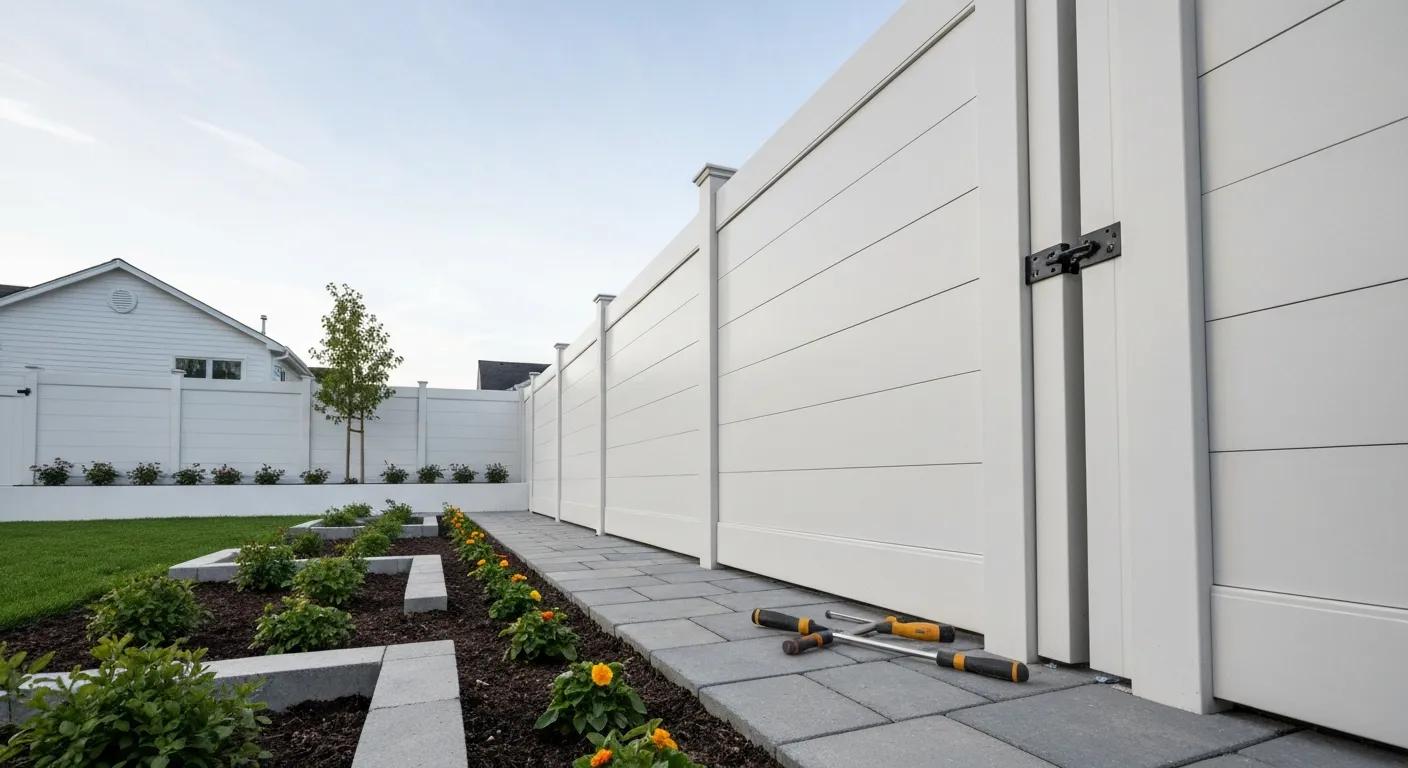
The process of installing a new fence for a residential property can be both exciting and challenging. Homeowners in areas like Osceola County—St. Cloud, Harmony, Lake Nona—are looking for reliable local fence contractors who can balance aesthetics with privacy and security. With so many options ranging from wrought iron designs to modern vinyl alternatives, determining the best approach requires careful planning and thorough research. This article is written from the perspective of a local fencing expert at St. Cloud Fence Co. and is here to guide homeowners through every aspect of the process. It covers defining your specific fencing requirements, finding and evaluating local fence installation services, comparing material choices, understanding detailed estimates, addressing property lines and local rules, and preparing your property for installation day. Every section provides actionable insights supported by real-world data, ensuring that you can make an informed decision when choosing fence installation services near you. By understanding your needs, comparing material advantages and installation quotes from various local fencing companies, you will be well-equipped to transform your yard into a secure and visually appealing space while increasing the property value. Let’s explore each factor in detail.
Defining Your Specific Fencing Requirements

When you begin your fence installation journey, it is essential first to clearly define your specific fencing requirements. The process starts with clarifying the primary purpose of your fence, whether for security, privacy, aesthetics, or even delineating property boundaries. Homeowners must ask themselves what they want to achieve with the new fence. For example, if the main goal is security, strong materials like steel or wrought iron might be a priority. On the other hand, if the focus is on landscaping and aesthetics, natural wood or composite materials might be the preferred choice.
Clarifying the Primary Purpose of Your Fence
The first step in this process is asking how the fence will be primarily used. If safety is a concern, homeowners need vertically oriented designs that are not easily scaled by intruders. For privacy, a continuous panel without gaps is ideal. In some instances, the fence serves multiple purposes—for example, a sturdy wooden fence can provide both privacy and define a yard boundary elegantly. Homeowners must consider the daily use of the yard, potential interactions with neighbors, and how the design integrates with existing landscaping. Decisions such as these help in selecting not just a design, but also the optimal materials and installation methods, leading to a higher quality end result.
Selecting Suitable Fence Styles and Materials
Once the primary function is defined, the next step is understanding the various styles and materials available. Wood fences offer a classic and natural look but require regular maintenance. Vinyl fences, however, provide a low-maintenance alternative that resists weathering and fading. In addition, metal fences such as wrought iron or steel provide excellent security and durability but may come with higher installation costs. Homeowners should weigh the advantages of a natural appearance against the need for longevity and security. Consulting pamphlets, visiting local fence model displays, or speaking with local fence installers in my area can also open up ideas that align with your specific needs and design tastes.
Accurately Measuring Your Property for Fencing
Understanding the extents of your yard is essential before choosing a fencing solution. Accurate measurements determine the total length of fencing required, and help in budgeting for labor and materials properly. Not only does this process involve measuring the boundary of your property, but it also includes identifying any irregularities in the terrain. For example, a property with a sloping yard or multiple corners might require additional posts or specialized installation techniques. Homeowners should invest considerable time in taking accurate measurements or even hiring a professional surveyor if the property boundaries are unclear. This step is critical to prevent unexpected costs or installation delays.
Identifying Any Site-Specific Installation Challenges
Every property presents unique challenges. Before finalizing your fence design and contractor, you should assess potential issues like uneven ground, thick root systems from nearby trees, or proximity to power lines and utility markers. These obstacles could affect both the installation process and the longevity of your fence. Incorporating local specifications, such as weather conditions or soil type, is necessary to choose the right installation technique. Clear documentation, including photos and surveys of vulnerable areas, assists both you and your contractors in devising an effective plan. By addressing such challenges early, homeowners can minimize disruptions during installation and ensure the final outcome meets all practical requirements.
Establishing Your Project Timeline and Desired Completion
Finally, setting clear expectations regarding the project timeline is as important as determining the style or material. Homeowners should inquire about the estimated duration of the installation process, potential delays due to weather conditions, and the coordination with any required municipal permits. Knowing whether the project is scheduled during a period of high contractor demand, such as after a major storm, assists in realistic planning. A well-prepared timeline not only keeps the project on track but also allows for adjustments if any unforeseen issues arise. With a clear understanding of requirements across these different areas, homeowners can confidently approach local fence contractors, ensuring a seamless process from start to finish.
Key Takeaways: - Clearly define the primary function of your fence to align design and material choices. - Consider both aesthetic appeal and practical concerns like security when selecting your fence style. - Accurate property measurements and early identification of site challenges help prevent project delays. - Establishing a realistic timeline ensures efficient coordination with contractors and local regulations.
Finding and Evaluating Local Fence Installation Services

After establishing your specific fencing requirements, the next crucial step is finding and evaluating local fence installation services. This ensures that homeowners in areas such as Osceola County are connected with reputable contractors who can deliver quality and value. The emphasis is on ensuring the contractor you choose is experienced, versatile, and has a proven track record of successful installations. With the competitive market of local fencing companies, identifying the right partner requires asking the right questions and verifying credentials.
Methods for Locating Fence Contractors in Your Area
The search for fence contractors typically starts with simple online searches using precise keywords such as “local fence contractors,” “fence installers in my area,” or “local fence installation services near me.” Social media platforms, community forums, and local business directories are also powerful tools for obtaining recommendations. Moreover, many homeowners turn to friends, neighbors, and real estate professionals for referrals. Emphasis should be placed on gathering multiple opinions to create a shortlist of potential contractors. Many reputable residential fence companies maintain active online profiles that provide reviews and photographic portfolios of completed projects—this firsthand visual evidence is extremely helpful during the evaluation stage.
Assessing Online Reviews and Past Customer Feedback
Evaluating customer reviews is a critical step in this process. Reviews not only provide insights on the quality of work but also expose potential pitfalls such as unexpected cost escalations or installation delays. High ratings and consistent feedback regarding professionalism, punctuality, and quality of work can serve as indicators of reliability. Homeowners should look for patterns in customer feedback rather than isolated positive or negative comments. It is valuable to take note of detailed customer experiences that mention similar project scopes (such as installing wrought iron fences or wooden privacy fences) to ensure the contractor’s expertise matches your project needs.
Verifying Licenses and Insurance for Fence Companies
Equally important is verifying that the prospective fence company holds all the necessary licenses and insurance. This is not only a legal requirement but also serves as a safeguard for property owners against potential mishaps. Local fencing companies that operate openly will typically have their credentials displayed on their website or provided upon request. Checking with state or local licensing boards can confirm the legitimacy of these documents. Moreover, insurance coverage is crucial in case of damage to your property or injuries during the installation process. Ensuring that your chosen contractor is fully insured protects you from future liabilities and gives you peace of mind while the project is underway.
Requesting Portfolios of Completed Fence Projects
A key step in evaluating any fence contractor is examining their previous work. Reputable companies will gladly provide a portfolio of projects that showcase their expertise in a variety of fence types and styles. This portfolio should include high-resolution images, detailed project descriptions, and customer testimonials. Seeing examples of work similar to what you envision for your own property can help homeowners make an informed decision. When reviewing these portfolios, consider the durability, quality of workmanship, and aesthetic appeal of the installations. Additionally, ask about how the contractor tailored designs to overcome unique site challenges, as similar situations might be applicable to your own property.
Seeking Referrals From Nearby Property Owners
Finally, word-of-mouth referrals from neighbors or nearby property owners can be one of the most trusted resources for finding quality local fence installation services. In many communities, especially within close-knit areas like St. Cloud or Lake Nona, homeowners often share their experiences with local contractors. Personal recommendations reduce the risk associated with hiring unfamiliar teams and provide real insight into after-service support and the contractor’s reliability beyond the initial installation. When seeking referrals, ask specific questions about punctuality, professionalism, and cost transparency. These insights can be invaluable in narrowing down your options.
Key Takeaways: - Begin with comprehensive online research and community referrals to identify local contractors. - Thoroughly review customer feedback and portfolios to assess quality and consistency. - Verify that each contractor has the proper licenses and insurance to ensure legal protection. - Personal referrals from neighbors offer trusted insights into local contractor performance.
Comparing Material Choices for Your New Fence

Deciding on the best material for your fence is a pivotal choice that impacts both the look and functionality of your property. Homeowners may choose from a variety of options such as wood, vinyl, metal, chain link, or composite materials. Each material has its own unique advantages regarding aesthetics, durability, maintenance requirements, and cost. By comparing these options in detail, buyers can pinpoint the ideal solution for their yard and design vision.
Weighing the Advantages of Wood Fencing
Wood fencing is renowned for its natural appeal and versatility. It is a popular choice among homeowners for creating a warm, traditional look that effortlessly blends with outdoor landscapes. Wood fences can be customized with different stains and paints, allowing for a variety of aesthetic finishes. They offer considerable flexibility in design, from picket fences to privacy panels. However, wood requires regular maintenance to prevent rot, termite damage, and weathering. Despite this, many find that the beauty and classic vibe of a wooden fence outweigh the maintenance demands. Modern treatments and composite wood products have also been introduced to help reduce upkeep without sacrificing the traditional look. The tactile, organic feel of a wood fence remains a favorite for those looking to enhance the natural charm of their yard while ensuring adequate privacy and security.
Considering Low-Maintenance Vinyl Fence Options
Vinyl fences have become increasingly popular due to their durability and low-maintenance nature. Made from resilient materials that resist moisture, fading, and pests, vinyl is known for maintaining its appearance over many years. This quality makes it an attractive option for homeowners who prefer hassle-free upkeep. Vinyl fencing is available in a range of colors and styles that mimic the look of wood, yet it doesn’t require painting or sealing. Although the initial cost might be higher than wood, the savings in maintenance and repair expenses, along with longevity, can make vinyl a cost-effective long-term investment. For many modern homeowners, the clean lines and consistent appearance of vinyl provide both functionality and a sleek aesthetic suitable for contemporary homes.
Reviewing Metal Fences for Security and Durability
Metal fences, particularly those made from wrought iron or steel, are synonymous with strength and longevity. These fences offer superior security due to their robust construction and can be designed with ornamental details that lend a touch of sophistication to any property. Wrought iron fences, in particular, create a traditional yet elegant look often associated with stately homes and commercial properties. While metal fences typically require less maintenance than wood, they may require periodic painting to prevent rusting, especially in humid or coastal environments. The investment in a well-constructed steel or iron fence is especially worthwhile for homeowners looking for maximum security in addition to an upscale appearance. Their overall durability and resistance to both physical damage and environmental elements make metal a compelling choice for those prioritizing long-term performance with minimal upkeep.
Examining Chain Link Fencing for Practicality
Chain link fencing is highly valued for its functionality and affordability. While it may not offer the same level of beauty or privacy as other materials, it is immensely practical for providing clear boundary markers without obstructing the view. Ideal for large yards, backyards with pets, or areas requiring high visibility and ventilation, chain link fences offer a no-nonsense solution to enclosure needs. Recent innovations have allowed for enhancements in appearance, såsom decorative coatings or privacy slats, which can improve its aesthetic appeal without compromising its clear function. This style of fencing is also beneficial for security purposes, as it is difficult to breach, and its industrial look can complement modern architectural styles. The practical benefits of chain link, including ease of installation and repair, make it a reliable and budget-friendly option for many homeowners.
Looking Into Composite Materials for Modern Fences
Composite fences are an emerging option that combines the best attributes of wood and plastic. These materials are engineered to resist rot, splintering, and termite infestation while offering a refined appearance that mimics natural wood textures and colors. Composite fences typically require less cleaning and maintenance, as they do not fade or deteriorate with prolonged exposure to harsh weather conditions. The environmental benefits of composite materials—often made from recycled components—also appeal to the eco-conscious homeowner. While the upfront cost may be higher, long-term savings on maintenance and the extended lifespan of composite fences are significant benefits. Their modern design and durability make composite options an excellent choice for homeowners seeking an innovative solution that will stand the test of time.
Below is a table that summarizes the key material choices:
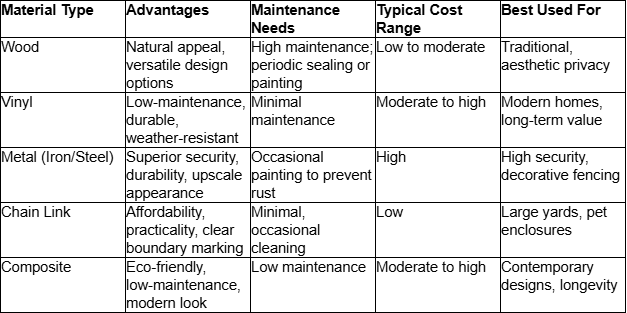
Key Takeaways: - Wood offers natural beauty but requires regular care. - Vinyl provides a sleek, low-maintenance alternative. - Metal fencing ensures robust security and longevity. - Chain link is practical and budget-friendly for clear boundaries. - Composite materials deliver modern aesthetics with reduced upkeep.
Understanding Estimates From Fence Installation Services Near Me
One of the most important aspects of any fence installation project relates to understanding the estimates provided by contractors. Homeowners need clarity on all cost components—from labor to materials—to avoid unwelcome surprises in the budget. Detailed estimates not only help in comparing different proposals but also ensure transparency and motivation for the contractor to deliver quality work. In addition, understanding the breakdown of the cost ensures that every aspect of the installation, such as post-setting, panel mounting, and cleanup, is accounted for, thereby facilitating better planning and negotiations.
Key Components of a Comprehensive Fencing Quote
A comprehensive estimate generally covers several key components. It includes the cost for materials, which may vary dramatically depending on whether you choose wood, vinyl, metal, or composite. Labor charges are another major component and are typically influenced by local market rates, the complexity of the installation, and any additional features such as decorative elements or custom designs. A detailed quote should also outline site preparation expenses such as clearing debris, leveling the ground, marking utility lines, and any necessary permits that may be required according to local regulations. Furthermore, transportation costs and potential equipment rental fees may also be included. A clear, itemized estimate helps homeowners assess what they are paying for and compare multiple proposals on a like-for-like basis.
Comparing Proposals From Different Fence Installers
When you receive estimates from several local fence companies, it is imperative to conduct a side-by-side comparison of each proposal. Homeowners should not only look at the total cost but also the quality and specifications of the materials listed. Compare the labor rates, warranties offered, and after-service support. A proposal with the lowest initial cost might come with additives such as lower-quality materials or minimal workmanship guarantees. Get detailed breakdowns and ask for clarifications on any hidden charges. In many instances, contractors may offer flexible packages that include combined services—such as maintenance packages after installation—so these should be considered as long-term value rather than just an upfront cost.
Factors That Affect Overall Fence Installation Cost
A number of factors can affect the overall cost of a fence installation project. These include the type of material chosen, the length and height of the fence, and whether the property poses any challenges like uneven terrain or proximity to utility lines. Custom styles and decorative elements will generally drive the cost higher. Additionally, the geographic location can influence labor rates and the availability of local fence installers. Seasonal demand often leads to price variations, so timing your project during off-peak periods might yield savings. Understanding these cost drivers can empower homeowners to negotiate better terms and opt for solutions that balance their desires and budget constraints without compromising on overall quality.
Inquiring About Payment Terms and Options
Transparent payment terms set the tone for the entire project. Contractors might require a deposit upfront, with the balance payable upon completion of specific installation milestones. Homeowners should ask if they can opt for a payment plan or installment options, especially for larger projects with higher upfront costs. It is important to understand when payments are expected and how changes to the scope of work might affect the overall cost. Clarifying these terms early on protects both parties, reduces the risk of disputes, and provides clear milestones for both payment and project progression.
Clarifying Warranty Details for Labor and Materials
A significant element of any estimate is the warranty offered by the contractor. This warranty should cover both the labor involved in the installation and the materials used. Understanding the warranty terms can save homeowners significant expense related to repairs or replacements down the line. A warranty with a longer coverage period and comprehensive terms demonstrates the contractor's confidence in their workmanship and the materials selected. Be sure to ask for written warranty documentation that clearly defines what is covered, the duration of coverage, and any conditions or limitations that apply.
Below is a table summarizing important factors influencing fencing installation estimates:
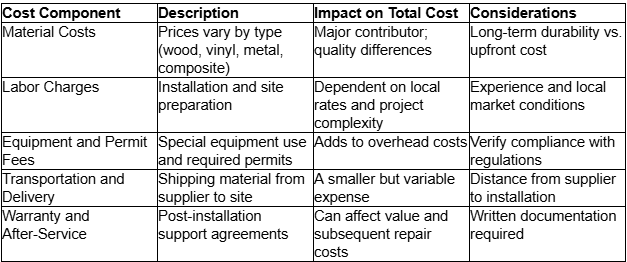
Key Takeaways: - Detailed estimates reveal specific costs for materials, labor, and permits. - Always compare multiple proposals, not just the total cost. - Understand payment terms early to avoid future disputes. - A comprehensive warranty indicates long-term support and quality.
Addressing Property Lines and Local Fencing Rules

Before installing a fence, it is imperative that homeowners understand and address property lines and comply with local fencing rules. This section delves into the municipal codes, permit requirements, and zoning laws that govern fence installations. In areas like Osceola County, there are strict guidelines regarding fence height, setbacks, and the types of materials allowed in residential neighborhoods. Failing to comply can result in fines, removal orders, or legal disputes with neighbors. Ensuring these regulations are met not only protects from legal challenges but also enables a smoother, conflict-free installation process.
Researching Municipal Codes and Permit Needs
The first step is to research local municipal codes and determine if a permit is required before installation. Local governments often have detailed zoning maps and regulations that dictate fence heights, distance from property lines, and even specific design restrictions. Homeowners should contact their local government offices or check municipal websites to gather up-to-date information. Some municipalities have online resources that allow you to quickly search for code requirements using your address. Additionally, many residential fence companies offer consultation services where they help homeowners navigate these regulatory processes. Being well-informed about local laws not only saves time but can also safeguard against costly mistakes down the road.
Precisely Determining Your Property Boundaries
To avoid encroachment issues, it is essential to precisely determine your property boundaries. This process often involves reviewing your property deed, historical surveys, or even hiring a professional land surveyor if there is any ambiguity. Accurate results prevent disputes with neighboring property owners and avoid potential legal complications. Clear demarcation also assists contractors in planning the installation process, ensuring that posts and panels are correctly placed. Often, discrepancies between property lines and perceived boundaries can lead to conflicts, so professional surveying is a worthwhile investment in ensuring long-term satisfaction with your fence installation.
Discussing Fence Plans With Adjoining Neighbors
Open communication with your neighbors about your fence plans can preempt conflicts. By discussing your project early, you can address any concerns, such as potential obstructions to views or encroachments, and possibly negotiate shared solutions. Neighbors might even offer valuable insights or suggest modifications that improve the overall look and functionality of your fence. In many communities, such discussions can foster cooperation and help secure informal agreements before formal permits are applied for. Such proactive engagement demonstrates respect for shared boundaries and minimizes the risk of disputes. Addressing these concerns transparently invariably contributes to a smoother installation process and better long-term relations with adjacent property owners.
Checking Homeowners Association Guidelines for Fences
If you live in a neighborhood governed by a homeowners association (HOA), additional guidelines may apply. HOAs often have specific design requirements, color schemes, and even warranty requirements that must be adhered to for any fence modifications. Homeowners should review the association’s rules and get any necessary approvals before beginning the installation process. Failure to comply with HOA guidelines can lead to internal fines or forced removal of a fence. Though these rules may appear cumbersome, they are designed to maintain the aesthetic integrity and property values of the community. Clearly understanding these limitations early on is crucial to avoid unexpected disruptions later.
Arranging for Utility Line Marking Before Digging
Before any digging begins, scheduling a utility line marking is essential. Local regulations require that homeowners arrange for professionals to mark any underground utility lines to help avoid dangerous accidental damage during installation. Failing to comply can not only halt the work but may also lead to dangerous situations and heavy fines. This step is typically coordinated by your contractor, but homeowners should confirm that such arrangements are made in advance. This precaution safeguards your property, enhances safety for installation teams, and secures compliance with local building codes.
Key Takeaways: - Researching municipal codes prevents legal challenges and fines. - Accurate boundary surveys are critical to avoiding neighbor disputes. - Open neighbor communication can facilitate smoother project approvals. - HOA guidelines must be strictly reviewed and followed. - Arranging utility line marking is essential for safe and compliant installation.
Preparing Your Property for the Installation Day
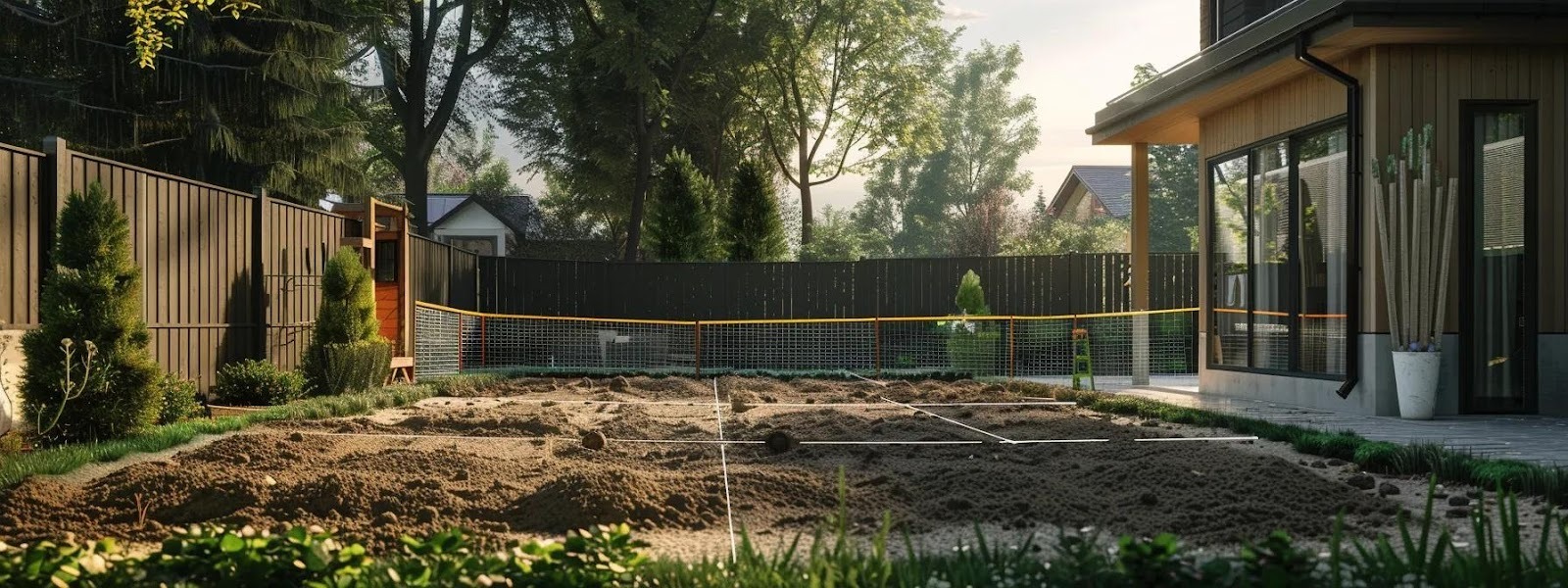
Proper preparation of your property is a vital step in ensuring a smooth fence installation process. Homeowners should take deliberate actions to ready their yard, ensuring that the installation crew can work efficiently and safely. Preparation tasks often begin weeks before the scheduled appointment and extend into the final post-installation inspection. Each step contributes directly to the success of the project and influences both the duration and overall cost of the installation.
Steps to Take Before the Fencing Crew Begins Work
An effective pre-installation checklist will help homeowners streamline the project. First, clear the area where the fence will be installed by removing any obstacles such as outdoor furniture, gardening tools, or debris that could hinder the crew’s progress. Mark out the desired fence line if it hasn’t already been done by a professional surveyor. Additionally, if there are any landscaping elements such as flower beds, trees, or garden ornaments near the proposed fence line, consider relocating or protecting them during installation. Homeowners should also inform neighbors about the upcoming project to minimize disruptions and potential disputes. Having these preparatory steps completed ensures that the installation crew can begin work without unnecessary delays and with all safety protocols in place.
Typical Duration of a Fence Installation Project
Understanding the timeline for fence installation can help homeowners better prepare for disruptions. Depending on the type of fence, property size, and installation complexities such as terrain or weather conditions, the project duration can vary. For instance, a straightforward chain link installation on a flat yard might be completed in one to two days, while a more custom wood or wrought iron fence with intricate designs could extend over several days or even weeks. Homeowners should discuss the estimated duration with their contractor and plan accordingly for necessary adjustments in their daily schedule. A detailed timeline often includes downtime for curing concrete posts and final adjustments, all of which should be factored into your overall planning.
Post-Installation Site Cleanup Expectations
Once the fence is installed, the cleanup process is usually part of the contractor’s responsibilities. However, homeowners should be aware of what to expect. This may include the removal of excess materials, disposal of packaging waste, and a final site inspection to ensure no hazards remain. A well-organized cleanup not only improves the visual appeal of your yard but also marks the official completion of the project. Confirm with your contractor what cleanup tasks will be performed and whether there might be any additional fees associated with post-installation work. Thorough cleanup is indicative of a professional service and ensures the installation site is left safe and tidy for everyday use.
Conducting a Final Inspection With the Service Provider
Before the service provider concludes the project, a final inspection is crucial. This inspection should verify that all components of the fence meet the predetermined standards of quality and alignment with the agreed-upon plan. Check for secure installations, proper alignment with property boundaries, and overall finish. Any areas that require touch-ups or adjustments should be noted, and a timeline for completion should be agreed upon before the final sign-off. This final step is not only about quality control but also about ensuring any warranty details or guarantees are clearly understood. A comprehensive walkthrough with the contractor helps confirm that the investment is secure and that your new fence fully meets your expected standards.
Tips for Maintaining Your Newly Installed Fence
Maintenance is key to prolonging the lifespan of your fence. After installation, periodic cleaning, painting or staining (if using wood), and regular inspections can catch wear and tear early. Homeowners can benefit from keeping a maintenance schedule that outlines seasonal roof treatments, especially after harsh weather. Whether you choose a low-maintenance material like vinyl or a traditional wood option that requires more attention, understanding the care instructions is beneficial for long-term durability. This proactive approach ensures that your investment continues to enhance the curb appeal and security of your property.
Key Takeaways: - Prepare the site by clearing obstacles and marking the fence line. - Understand the project timeline to plan for potential disruptions. - Ensure comprehensive post-installation cleanup and final inspection. - Regular maintenance extends your fence’s lifespan and maintains its appearance.
Frequently Asked Questions
Q: What factors should I consider when defining my fencing requirements? A: Homeowners should evaluate the primary function of the fence—whether for security, privacy, aesthetics, or boundary marking. Considerations include material selection, design style, property measurements, and any site-specific challenges such as uneven terrain or neighboring obstacles.
Q: How can I ensure that I am choosing a reliable fence installation service? A: Research local contractors by checking online reviews, customer testimonials, and portfolios of previous work. Verify their licenses and insurance, compare multiple estimates, and seek referrals from neighbors or local property owners to ensure you are hiring a trusted provider.
Q: What are the main advantages of wood, vinyl, metal, chain link, and composite fences? A: Wood offers a natural look but requires maintenance; vinyl is durable and low-maintenance; metal provides excellent security and longevity; chain link is affordable and practical for boundaries; composite materials combine modern aesthetics with reduced maintenance needs. Each material suits different priorities and design preferences.
Q: Why is it important to research municipal codes and obtain permits before installing a fence? A: Local municipal codes dictate the allowable fence height, placement, and design. Research is essential to avoid legal issues, fines, or the need to make expensive adjustments later. Permits ensure compliance with local regulations and protect your investment.
Q: What steps are involved in preparing my property for fence installation? A: Preparation includes clearing the installation area, marking property boundaries, protecting nearby landscaping, informing neighbors, and arranging for utility line marking. This thorough preparation allows for a smooth installation process and minimizes disruptions or delays.
Q: How can I compare estimates from different fence installers effectively? A: Look for detailed, itemized quotations that include material costs, labor charges, equipment fees, and any additional costs. Compare warranties, payment terms, and service quality through reviews and portfolios, ensuring you choose a contractor offering the best long-term value.
Q: What are the benefits of a final inspection post-installation? A: A final inspection helps ensure that the fence is correctly aligned with property boundaries, installed securely, and meets the agreed-upon standards. It also provides an opportunity to address any deficiencies and confirm that warranty terms are clearly understood before project closure.
Final Thoughts
In conclusion, selecting the right fence installation service is a comprehensive process that involves defining your specific requirements, carefully evaluating local contractors, comparing material choices, and understanding detailed estimates. Homeowners in Osceola County can benefit significantly from this guided approach, ensuring that the new fence not only meets aesthetic and functional needs but also provides long-lasting security and privacy. By following these steps and verifying every detail from permits to final inspections, you can make an informed decision that transforms your yard into a safe and visually appealing space. St. Cloud Fence Co. is dedicated to delivering honest quotes and high-quality installs that reflect local craftsmanship and trust.