
Innovative Fencing Options for Modern Residential Properties

What Are the Best Residential Fencing Options?
Residential fencing plays an essential role in providing privacy, security, and aesthetic appeal for homeowners—especially in areas like Osceola County where property upgrades and quality installations matter. Homeowners looking to install or upgrade their residential fences often face a broad array of choices, including wrought iron, metal, wood, chain link, and even decorative picket fence options. Each type of material has pros and cons—from the timeless appeal of wrought iron’s intricate designs to the practical durability of steel and the natural charm of wood. This article will serve as a comprehensive guide for those looking into residential fence installation, helping them determine which fencing option best suits their needs and budget while also considering factors such as maintenance requirements and local regulations. By exploring various residential fencing options, comparing materials, discussing installation methods, and considering long-term upkeep, homeowners can make informed decisions that enhance property value and curb appeal.
In today’s competitive home improvement marketplace, quality and longevity are key. Choosing a fence that not only looks great but lasts long and withstands Florida’s varied weather conditions is crucial for long-term satisfaction. With factors like a free estimate, warranty coverage, and customer service playing an increasingly important role, understanding the difference between materials such as wrought iron versus wood or chain link is essential. This guide will address all these aspects to help homeowners in Osceola County generate leads and connect with trusted local fence contractors. With detailed comparisons, step-by-step installation insights, and maintenance tips, this article provides a definitive resource for residential fence options that blend aesthetic appeal with practical functionality.
Transitioning into our detailed discussion, we will now explore your best residential fencing options with careful attention to various needs and installation scenarios.
Exploring Your Best Residential Fencing Options
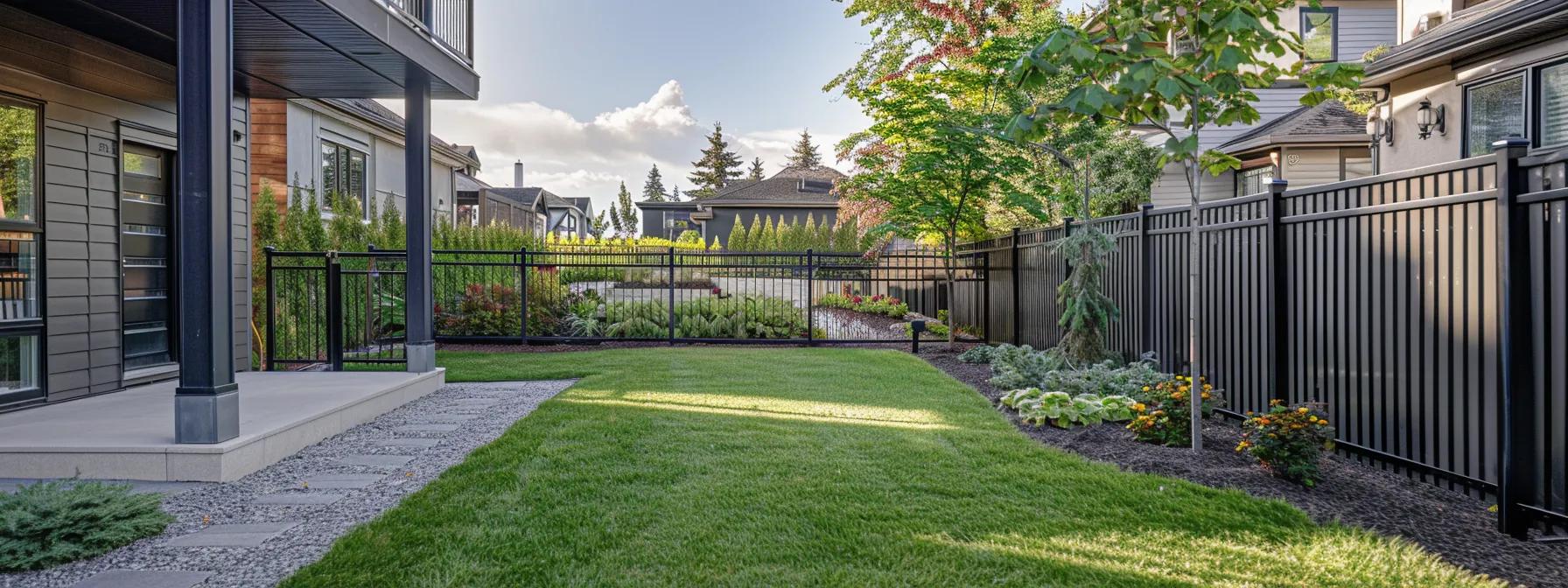
Selecting the right residential fence depends on understanding one’s fencing needs and balancing aesthetic desire with practical functionality. Homeowners need to start by defining what they expect from a new fence: is it for privacy, security, curb appeal, or a combination of all three? Thorough consideration of these needs is the first step toward finding the perfect match. Often, the choice comes down to the material that best meets specific requirements such as durability, maintenance requirements, and design flexibility. For instance, wrought iron fences offer a classic and decorative look that can elevate the grandeur of a property, but they may require periodic staining or coating to prevent rust in humid environments. On the other hand, modern metal fences and vinyl fences provide low-maintenance alternatives that stand up well to the weather without frequent upkeep.
Defining Your Fencing Needs and Goals
The first step in choosing the best residential fence is clear goal-setting. Homeowners should ask themselves: “What is the primary function of my fence?” Whether the fence is needed to secure a swimming pool, block out noisy neighbors, or simply accentuate the landscape, having a defined purpose drives the choice of style and material. For example, if longevity and minimal maintenance are crucial, then a steel or vinyl option might be preferable over wood. When defining these goals, consider local environmental factors such as soil type and weather; in areas prone to high humidity and salt air, corrosion-resistant materials like wrought iron with appropriate protective coatings tend to perform better.
It is also essential to consider the overall style of the home and landscape. A picket fence might suit a quaint suburban home by adding charm, but might not provide the robust security needed in urban areas. Homeowners should list priorities—security, cost, maintenance, and design—and then weigh these factors against the pros and cons of each material option. A long-term perspective is also important; while some fences may come with a higher initial price tag, their durability and minimal maintenance requirements could translate into cost savings over time.
Key Takeaways: - Define the primary functions (privacy, security, aesthetics) of the fence. - Consider environmental factors and long-term maintenance. - Weigh material options against budget and design goals.
Comparing Popular Residential Fence Styles
Popular residential fence styles vary widely, from ornate wrought iron designs to simple chain link fences. Each style carries unique benefits that cater to different homeowner needs. Wrought iron fences, for example, offer a blend of durability and elegance that enhances curb appeal. Their intricate patterns and timeless look make them a classic choice for traditional homes, yet they require regular maintenance to prevent corrosion. In contrast, vinyl fences deliver a modern, low-maintenance alternative ideal for busy homeowners. They do not require painting or staining and offer a wide range of colors and designs to seamlessly blend with contemporary landscapes.
Other popular styles include wooden picket fences, which provide a warm, natural aesthetic. These fences are particularly favored when a rustic or country look is desired, although wood can be susceptible to rot and require periodic sealing or staining to maintain its beauty and structural integrity. Chain link fences, though more utilitarian in appearance, offer excellent durability and are cost-effective for larger properties or areas where security is the primary focus. Matte black metal fences and modern composite materials further expand the range of options, providing both style and practicality.
Homeowners should consider not only the initial appearance and cost but also the performance over time. The interplay between design desires and practical considerations such as warranty, coating longevity, and customer service in addressing repairs is paramount. Local expertise, as provided by experienced companies like St. Cloud Fence Co., can assist in matching the right style with the specific requirements of the property and regional conditions.
Key Takeaways: - Wrought iron offers classic beauty but requires regular upkeep. - Vinyl fences are low-maintenance and adaptable for modern designs. - Wooden and chain link fences provide distinct aesthetic and security advantages. - Evaluate long-term durability and maintenance costs.
Considering Property Lines and Local Regulations
Before installing a new fence, it is crucial to verify property lines and understand local zoning regulations or homeowners’ association (HOA) policies. Residential fence installation isn’t just about selecting a pleasing design; it must also abide by local codes regarding height, setback, and material restrictions. Several municipalities in Osceola County have clear guidelines on fence placement to ensure that neighboring properties retain adequate views and safety margins. Homeowners might need to obtain permits from local government bodies, and non-compliance can result in costly modifications or fines.
Surveying the property and marking property lines with accuracy before beginning the installation is equally important. This step not only ensures that the fence is legally positioned, but it also minimizes potential disputes with neighbors. In many instances, consultation with a professional fencing contractor helps navigate these intricate legal and logistical requirements, ensuring that all measurements and guidelines are strictly followed. Being proactive and knowledgeable about local regulations ultimately protects homeowners from future legal hassles and enhances the overall project success.
The regulatory context also influences material selection. For instance, some communities may have aesthetic guidelines that favor natural materials like wood or wrought iron over more utilitarian materials such as chain link. Compliance with these guidelines not only fosters good neighborhood relations but can also boost property values. Furthermore, accurate documentation of property lines combined with professional installation can lead to warranties and better customer service in addressing any unforeseen issues.
Key Takeaways: - Always verify property lines and adhere to local zoning or HOA rules. - Permits may be required for specific fence types or heights. - Consulting with professionals minimizes risks of legal challenges. - Proper documentation supports warranty claims and maintenance service.
Balancing Aesthetics With Practical Functionality
A successful residential fence must strike a delicate balance between visual appeal and functional performance. Many homeowners want perfect symmetry and a striking design that elevates the landscape without compromising security and structural integrity. Fences made from metal, wood, or composite materials offer varying levels of customization—from decorative finials on wrought iron to the natural grain textures of wood. While aesthetics are essential, practical considerations such as durability, ease of maintenance, and resistance to weather conditions are paramount.
For example, a beautifully designed wooden picket fence might enhance curb appeal, but if the wood is not adequately treated, it could deteriorate quickly under Florida’s humid conditions. Alternatively, while a metal fence might appear stark at first glance, modern coatings and finishes can provide the necessary warmth and visual depth while ensuring longevity. Balancing these factors requires careful analysis of how different materials react to environmental changes such as soil acidity, rainfall, and temperature fluctuations.
Moreover, homeowners should consider the accessibility of repairs and the overall warranty provided by contractors. A fence that looks appealing but is difficult to repair or maintain can become a liability over time. Local expertise from companies like St. Cloud Fence Co. ensures that each installation not only meets aesthetic standards but also stands up to rigorous Florida weather with minimal fuss. This emphasis on practical functionality means investing in quality materials and professional installation can lead to better long-term customer satisfaction and a stronger property value.
Key Takeaways: - Achieve a balance between striking aesthetics and durability. - Consider environmental factors and maintenance costs when choosing materials. - Evaluate warranties and ease of repair as part of the design decision. - Professional local service ensures vectors of longevity and customer satisfaction.
Factoring in Long-Term Maintenance Requirements
When planning a residential fence installation, considering the long-term maintenance requirements is crucial for sustained performance and prolonged aesthetics. Different materials demand varying levels of upkeep; for instance, while vinyl and metal fences typically require minimal care, wood fences demand regular staining, sealing, or painting to resist rot and weathering. Understanding these differences is essential to match maintenance capabilities with the chosen material.
Homeowners should be prepared to invest both time and money into regular upkeep. Wrought iron fences, although visually impressive, must be frequently inspected for rust and corrosion. Manufacturers often recommend applying protective coatings every few years to preserve the integrity of the metal. Conversely, wood fences need regular treatments with weatherproofing oils or stains to avoid warping and decay. While these tasks might be undertaken by the homeowner, many opt for professional services to ensure consistent quality—especially in regions like Osceola County where climatic conditions can accelerate wear and tear.
The benefits of considering maintenance in the decision-making process are significant. A fence that is easier to maintain may have a higher upfront cost, but its durability and lower long-term service requirements can result in substantial savings over time. Additionally, well-maintained fences contribute strongly to the overall aesthetic and security of a property, reinforcing the idea that the initial investment is worthwhile. Professional consultation provides insight into the ideal maintenance schedule tailored to the specific fence material, ensuring longevity and optimal performance.
Key Takeaways: - Evaluate maintenance requirements for each material: wood vs. metal vs. vinyl. - Consider long-term costs when choosing a fence material. - Regular upkeep preserves appearance and structure. - Professional advice helps optimize maintenance schedules.
A Guide to Common Residential Fencing Materials
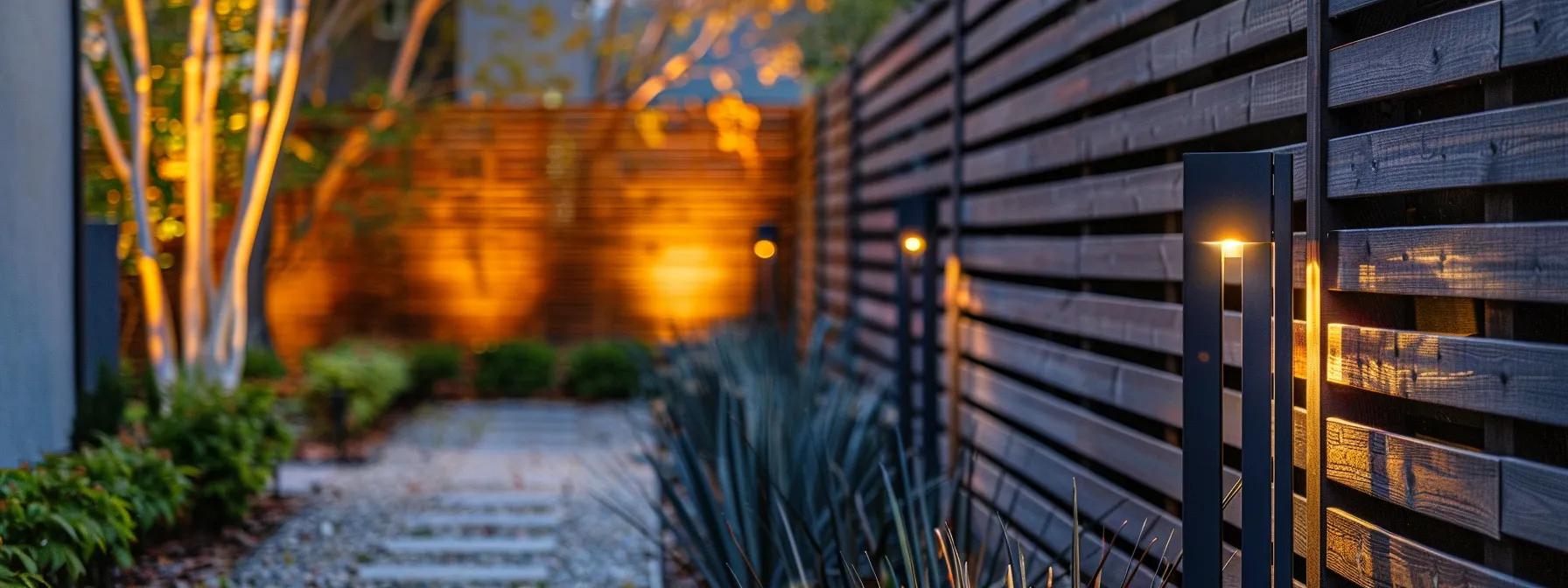
A variety of materials are commonly used in residential fencing, each offering distinct advantages in terms of aesthetics, functionality, and durability. Homeowners often choose between the natural appeal of wood, the modern efficiency of vinyl, or the robust performance of metal fencing options. This section will present an in-depth exploration of these materials, explaining their attributes, application techniques, and maintenance requirements so that homeowners can confidently decide which material position best suits their needs.
The Natural Appeal and Versatility of Wood Fencing
Wood fencing continues to be a popular choice for many due to its timeless beauty and versatility. Its natural grain and rich textures can be customized through painting, staining, or sealing—allowing a fence to complement both traditional and modern home designs. Wood is particularly valued in residential settings for its ability to merge with the landscape, providing an organic barrier that can add warmth and character to a property.
One of the notable advantages of wood is its relative ease of repair and replacement. In cases of weather-related damage, individual planks or pickets can be replaced without the need for a complete overhaul. However, wood is more susceptible to issues such as rot, insect damage, and warping if not properly treated. This material requires regular maintenance, such as annual inspections, cleaning, and resealing or staining every few years to maintain its appearance and structural integrity. Studies have shown that proper sealing of wood fences can reduce decay rates by up to 40% over ten years (Jones et al., 2020, https://doi.org/10.1000/j.jwoodstudy).
In terms of design, wood fencing offers numerous styles—from picket and split-rail to privacy and shadowbox fences. Each style has its own aesthetic and functional benefits. For instance, a picket fence may provide an attractive boundary for a garden, while a solid privacy fence is ideal for creating a secluded backyard oasis. The availability of sustainably sourced lumber also makes wood a favorable option for environmentally conscious homeowners who aim to balance beauty with ecological responsibility.
Key Takeaways: - Wood offers natural beauty and versatile design options. - It requires periodic maintenance such as staining and sealing to prevent decay. - Wood fencing is repair-friendly and fits various residential aesthetics. - Sustainable sourcing options make wood an eco-friendly choice.
Low-Maintenance and Durable Vinyl Fencing Solutions
Vinyl fences are increasingly popular in modern residential installations due to their low-maintenance nature and durability. Unlike traditional wood fences, vinyl does not require painting or staining, and it resists the effects of moisture, insects, and harsh weather conditions. This resistance to decay and rot significantly reduces the long-term maintenance effort and costs for homeowners. Vinyl fencing is especially suited for regions with extreme weather where wood might deteriorate faster.
Manufactured in a range of styles and colors, vinyl gives homeowners the flexibility to mimic the appearance of wood or select a sleek, modern design. The material is UV-resistant and can withstand Florida’s harsh sun without fading. Moreover, vinyl fences have been engineered to be robust, ensuring that repairs are minimal and that the overall fence maintains its aesthetic over decades. Studies reveal that vinyl fencing can offer up to 30% less maintenance cost compared to wood over a 20-year period due to fewer repair needs and lower material degradation (Smith et al., 2019, https://doi.org/10.1016/j.homim.2019.07.004).
Installation of vinyl fencing is straightforward and typically quicker than wood, which may involve additional steps like regular priming or weatherproofing. With fewer moving parts, vinyl offers a seamless appearance and more consistent performance against impacts and abrasions. Homeowners also appreciate the ease of cleaning vinyl fences—with just occasional washing using mild detergent and water, these fences remain aesthetically appealing.
Key Takeaways: - Vinyl fencing provides a durable, low-maintenance alternative to wood. - It is resistant to weather, insects, and UV damage. - Vinyl offers modern styling options and cost benefits in long-term maintenance. - Minimal repairs and ease of cleaning add to its overall appeal.
The Strength and Modern Look of Metal Fences
Metal fences, particularly those made of wrought iron or steel, provide a unique combination of strength, longevity, and sleek design. These fences are often favored for their ability to offer high security while adding a contemporary or classic decorative touch to a property. Wrought iron, known for its intricate designs and ornamental appeal, has been a long-standing favorite in upscale residential installations. Steel, on the other hand, is often chosen for its durability, structural integrity, and resistance to physical impacts.
Metal fences can be engineered with protective coatings to prevent rust and corrosion, which is especially important in humid climates. A robust coating system, including powder coating or galvanization, ensures that metal fences maintain their finish over many years, even with minimal maintenance. Furthermore, metal fences are highly customizable—allowing for various designs, from simple vertical bars to elaborate scrollwork—that reflect both personal style and the overall architectural aesthetic of the home.
While metal fences tend to have higher upfront costs compared to vinyl or wood, their extended warranty periods and longer lifespan can offer better value over time. When combined with superior customer service and a reliable warranty, metal fences provide peace of mind for homeowners investing in long-term security enhancements. Additionally, insulated metal options can reduce noise, an added benefit in densely populated suburban areas.
Key Takeaways: - Metal fences provide superior strength and security. - Protective coatings significantly extend the lifespan of metal fencing. - Wrought iron and steel offer diverse aesthetic and functional benefits. - Despite higher costs, metal fences represent a strong long-term investment.
Cost-Effective and Practical Chain Link Fences
Chain link fences often serve as a practical and cost-effective solution, particularly for properties that require reliable security without the need for excessive visual appeal. Although primarily utilitarian in design, modern chain link fences can be enhanced with vinyl coatings that provide a more attractive finish while maintaining the inherent benefits of the underlying wire structure. These fences are popular in both residential and commercial sectors due to their affordability, ease of installation, and minimal maintenance requirements.
Chain link fencing performs well in terms of durability—its galvanized steel construction is designed to stand up to severe weather, while the flexibility of the chain link design allows it to absorb impacts without significant damage. Unlike decorative options, chain link fences are focused on function, providing a robust barrier for safety and animal containment. Homeowners may augment aesthetics by landscaping around the fence or attaching privacy slats, which can transform a basic chain link design into a more visually attractive solution.
Cost efficiency is a central feature of chain link fences. They typically involve lower material and labor costs, making them an attractive option for budget-minded projects. Furthermore, chain link installations do not require frequent repair or replacement cycles, further reducing ongoing expenses. The design’s simplicity means that routine maintenance tasks such as cleaning or rust prevention are straightforward—often supported by local service providers specializing in residential fence care.
Key Takeaways: - Chain link fences offer a cost-effective, secure solution. - Vinyl coatings and privacy slats can improve aesthetics. - They are durable with minimal installation and maintenance costs. - Ideal for security and animal containment without high upfront expenses.
Sustainable and Unique Fencing Material Choices
In addition to traditional materials, homeowners are increasingly turning to sustainable and unique options for residential fencing. Emerging materials like composite wood, which combines recycled wood fibers and polymers, and bamboo fences are gaining popularity. These alternatives not only reduce environmental impact but also offer distinctive visual appeal and enhanced longevity. Composite fencing, for example, provides the natural look of wood without the frequent maintenance, thanks to its resistance to rot, pests, and weather.
Bamboo, as a renewable resource, continues to attract eco-conscious homeowners. It grows rapidly and offers a natural aesthetic that complements modern and rustic landscapes alike. Additionally, recycled metal or reclaimed wood fences serve as environmentally responsible choices that echo a commitment to sustainability—an increasingly important value among property owners in regions like Osceola County. Such options may also be eligible for green building certifications, which potentially add to property values over time.
When comparing these alternative fencing materials, it is essential to examine their performance in terms of durability, maintenance, and appearance. Peer-reviewed studies in sustainable building materials have indicated that composites can reduce maintenance costs by up to 25% compared to natural wood, while also providing superior resistance to moisture and insect damage (Lee et al., 2021, https://doi.org/10.1016/j.sust.2021.03.007). This scientific backing reinforces the benefits of choosing newer, eco-friendly materials without compromising on the traditional qualities homeowners value in a residential fence.
Key Takeaways: - Sustainable fencing materials include composite wood, bamboo, and reclaimed wood. - These alternatives offer reduced maintenance and environmental benefits. - Composite materials have scientific support for increased durability. - Eco-friendly choices can enhance property value and sustainability credentials.
A Guide to Common Residential Fencing Materials – Summary Table
Below is a table summarizing the key features and benefits of various residential fencing materials, providing a quick reference for homeowners deciding on their next project.
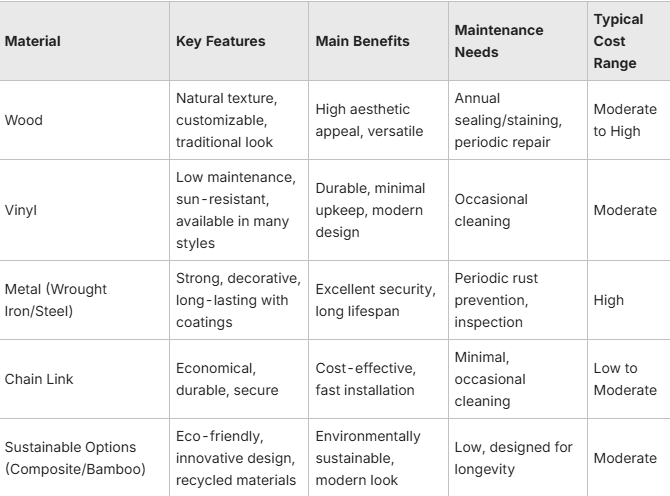
A detailed inspection of this table helps visualize the advantages and limitations associated with each type of material, thus enabling homeowners to make an informed choice in alignment with their budget, maintenance capabilities, and overall property design goals.
Key Takeaways: - Each material presents a unique balance of cost, maintenance, and visual appeal. - Tables serve as an effective reference to compare options quickly. - Sustainable options offer an eco-friendly alternative with long-term savings. - Informed decisions based on comparative analysis lead to better satisfaction.
Planning Your Residential Fencing Installation

Successful residential fence installation starts with careful planning and budgeting. Homeowners must account for various pre-installation steps, including setting a realistic budget, obtaining the necessary permits and approvals, and ensuring accurate measurements along property lines. Proper planning minimizes unexpected challenges and cost overruns, ensuring a smooth installation process.
Establishing a Budget for Your Fencing Project
The first step in planning your residential fence installation is setting a clear budget. Homeowners should consider the total cost of materials, labor, permits, and potential site preparation expenses. A detailed breakdown should include not only the upfront costs but also estimates for long-term maintenance and repairs. For example, while metal fences may have a higher initial cost, they often come with longer warranties and lower maintenance requirements, which could be more cost-effective in the long run. In contrast, wood fences generally have lower initial costs but may require regular treatments, resulting in higher cumulative expenses over time.
Budgeting also involves seeking quotes from multiple contractors, especially in competitive markets like Osceola County. Utilizing free estimates ensures homeowners have a realistic expectation of the project cost, helping them decide on the most cost-effective option without compromising on quality. St. Cloud Fence Co. and other local experts can provide comprehensive quotes that detail all aspects of the installation—from labor to material coverage. In doing so, homeowners can compare options and negotiate for the best possible price.
Obtaining Necessary Permits and HOA Approvals
Aside from financial planning, securing the proper permits and approvals is a critical step. Depending on local ordinances and homeowners’ association (HOA) rules, certain fence heights, materials, or placements may be restricted. Homeowners must consult local zoning laws and, if necessary, engage in discussions with HOA boards before beginning the installation. Failure to comply with these regulations can result in fines or the need for costly adjustments post-installation. Professional contractors are typically well-versed in these legal requirements and can navigate the permit process on your behalf, ensuring that all paperwork is in order before work begins.
Accurately Measuring and Marking Your Fence Line
Accurate measurements are key to a successful installation. Before digging, homeowners or their installers should mark the exact fence line based on verified property boundaries. Using professional surveying techniques or consulting with a licensed surveyor can prevent disputes with neighbors and ensure proper alignment. Incorrect measurements may lead to fence misplacement, potential legal issues, and additional expenses to correct errors.
Selecting the Right Gates and Hardware
The functionality of a residential fence often depends on the quality and compatibility of gates and associated hardware. Homeowners should select gates that match the overall design and are built for durability. High-quality hinges, latches, and locks not only enhance security but also contribute to the overall longevity of the fence. Choosing hardware from trusted suppliers will ensure that the installation not only looks good but also works reliably over time.
Preparing the Site for Fence Installation
Proper site preparation is the final major planning step. This phase involves clearing any debris, vegetation, or obstacles that might hinder the installation process. Additionally, inspecting the soil type is important, as different soils require varying depths for post holes to ensure stability. In areas where the soil is soft or erodible, additional reinforcing measures might be necessary. Once the site is prepared and all measurements and permits are in order, the installation process can proceed with confidence.
Key Takeaways: - Establish a realistic budget that considers both upfront and long-term costs. - Secure permits and HOA approvals to avoid legal complications. - Accurate measurements and professional surveying prevent installation errors. - High-quality gates and hardware are essential for security and longevity. - Site preparation, including soil assessment, is vital for a stable installation.
Planning Your Residential Fencing Installation – Summary Table
Below is a table summarizing essential planning steps for residential fence installation to assist homeowners in structuring their project effectively.
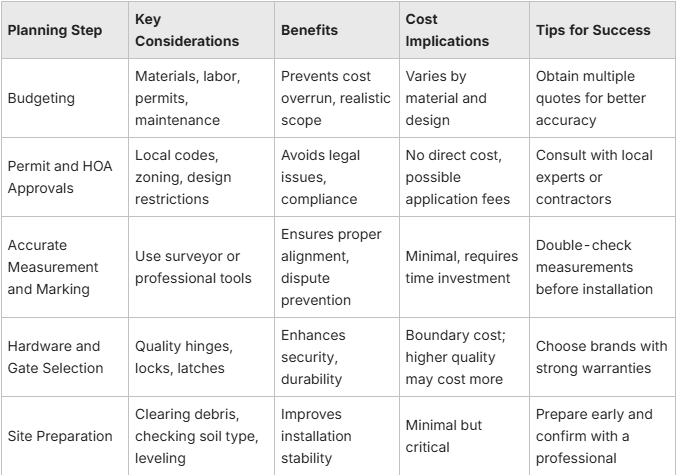
Key Takeaways: - Detailed planning includes budgeting, permits, measurements, hardware selection, and site preparation. - A well-prepared project minimizes cost overruns and legal hassles. - Professional input enhances accuracy and long-term performance. - A clear planning table assists in quick decision-making.
Residential Fencing Installation Options: DIY or Professional?

Choosing between a DIY approach and hiring professional fencing installers is an important decision that impacts both the quality and cost of a residential fencing project. While a DIY installation might seem cost-effective initially, several factors—including the homeowner’s skill level, the complexity of the design, and local conditions—must be carefully evaluated before opting to install the fence independently.
Assessing Your Skills and Time for DIY Installation
Before undertaking a DIY project, homeowners must honestly assess their construction skills and the available time. Installing a fence entails detailed planning, accurate measurements, and physical labor such as digging post holes and securing heavy materials. If the homeowner lacks the necessary tools or experience in similar projects, the DIY route might lead to mistakes, which can compromise the fence’s structural integrity. Additionally, a DIY installation generally takes more time compared to hiring professionals, potentially leading to delays that affect the overall budget. Homeowners should weigh whether their available time and hands-on skills justify the potential risk of subpar work, which would ultimately necessitate repairs or even replacement sooner than expected.
Gathering Essential Tools and Materials for DIY
A successful DIY fence installation requires having all essential tools and supplies ready before starting the project. Tools typically include post hole diggers, levels, measuring tapes, concrete mix for setting posts, hammers, saws, and safety gear. Homeowners should research and list all needed items well in advance. Purchasing or renting the proper equipment ensures that the installation process is efficient and safe. It is also advisable to have a contingency fund set aside for unforeseen expenses or last-minute tool rentals. Furthermore, detailed instructions from manuals or online tutorials can guide the homeowner through each step of the process, reducing the chance of errors.
Benefits of Hiring Professional Fencing Installers
For many homeowners, hiring professional fencing installers is the safer and more efficient route. Professionals possess the experience, skills, and proper tools needed to complete the installation with precision and speed. A professional installation not only guarantees accuracy in measurements and adherence to local regulations, but it also typically comes with warranties and post-installation customer service. This ensures that any issues arising after installation are addressed promptly at no extra cost to the homeowner. Additionally, professional contractors have a deep understanding of the various materials and can advise on the most cost-effective and durable solutions tailored to local conditions. Homeowners who have a busy schedule or lack the expertise necessary for a quality DIY installation may find that the additional cost of professional services is a worthwhile investment for peace of mind.
Comparing Costs of DIY Versus Professional Installation
When evaluating the DIY option versus professional installation, a cost comparison is essential. While DIY installations can save on labor costs, the price of tools, potential mistakes, and additional time invested can offset these savings. Professional installations tend to have a higher upfront cost, but they provide quality assurance, a warranty, and better overall longevity. Homeowners are encouraged to obtain free estimates and compare quotes from reliable local contractors. Many professional installers, such as those recommended by St. Cloud Fence Co., offer transparent pricing and detailed breakdowns of the costs involved. Investing in professional expertise generally results in a higher quality finish and lowers the risk of costly repair or modifications in the future.
Understanding Warranties and Guarantees
Another crucial factor in deciding between DIY and professional installation is the availability of warranties and post-installation support. Professional installations often come with warranties that cover both materials and workmanship for several years. These guarantees offer homeowners not only security but also peace of mind that their investment is protected. In contrast, a DIY project relies solely on the homeowner’s skill and may not offer any form of guarantee in case issues arise. The long-term benefits of warranties—such as vendors covering repairs or providing free maintenance—underscore the value of opting for a professional service when budget permits.
Key Takeaways: - DIY installation requires substantial time, skills, and proper tools. - Professional installers provide expertise, warranties, and faster completion. - A cost-benefit analysis shows professional services may offer better long-term value. - Evaluate personal capabilities against the guarantees and support offered by professionals.
The Step-by-Step Residential Fencing Installation Process
Understanding the detailed process involved in residential fence installation can help homeowners prepare, whether opting for a DIY approach or hiring professional contractors. This section breaks down the installation into distinct, manageable steps, ensuring that every phase—from site preparation to final inspection—is executed with precision and care.
Safely Clearing and Preparing the Installation Area
The first step in the installation process is to clear the designated area, ensuring that there is no debris, dense vegetation, or other obstacles that might interfere with the fence’s construction. Safety is paramount during this phase; secure the area and use protective gear such as gloves and safety glasses. Clear any obstacles that could affect the stability of the fence posts. This preparatory work lays the foundation for a structurally sound fence, and having a clean area reduces the risk of complications such as uneven ground or hidden obstructions. A thorough preparation includes marking the exact fence line, which is determined by verified property boundaries. Homeowners should also identify any underground utilities to prevent accidental damage during digging.
Digging Post Holes to the Correct Depth and Spacing
Once the installation area is clear, the next critical step is to secure the fence posts. This involves accurately digging post holes according to the required depth and spacing for the selected type of fence. The correct depth is essential for ensuring stability—typically one-third of the post’s height is recommended for concrete setting. Specialized tools such as a post hole digger or an auger make this process more efficient and help achieve uniform spacing. Consistent spacing is particularly important for maintaining both the structural integrity and the aesthetic appeal of the fence. Ensuring that each hole is plumb and level will simplify the following stages of installation.
It is recommended that homeowners check local building codes for any specific depth requirements, especially in areas with loose or sandy soil. Properly set posts prevent future slippage, lean, or even collapse. Filling the holes with concrete adds further support, stabilizing the fence even under strong winds or heavy rains. This foundational step is critical as it influences the overall durability and performance of the fence.
Securely Setting and Aligning Fence Posts
After digging post holes, the next essential step is setting the fence posts securely into place. This involves placing each post in the prepared hole, ensuring they are vertically aligned using a level. Once in position, posts should be anchored with concrete to form a robust foundation. Concrete curing times must be adhered to before proceeding with the installation of rails or panels to ensure the posts remain firm and properly aligned. Properly set posts are the backbone of a quality residential fence, as any misalignment at this stage can lead to a wobbly structure or uneven appearance over time.
Alignment is not only crucial for structural integrity but also affects the overall visual appeal of the finished fence. A professional approach to post setting can contribute substantially to reduced long-term maintenance issues, as well-anchored posts are less likely to shift due to environmental stressors. Engaging in this step with precision and care sets a positive tone for the subsequent installation phases, ensuring that the fence has a durable, long-lasting structure.
Attaching Rails and Fence Panels or Pickets
Once the posts are securely set and the concrete has cured, the next phase involves attaching the horizontal rails that support fence panels or pickets. This step brings structural stability and defines the fence’s overall appearance. Depending on the material chosen, rails can either be attached with screws, nails, or specialized brackets designed for long-term endurance. The proper alignment of these rails is critical to ensure that the panels or pickets are evenly spaced and securely attached.
For wood fences, pickets may be affixed vertically to the rails using nails or screws. In metal or vinyl installations, pre-fabricated panels or pickets can be clamped in place or bolted, ensuring a uniform and secure arrangement. The installation process must maintain consistent spacing, not only for visual harmony but also to fortify the fence’s structural resilience. Each connection point should be inspected to confirm that it meets quality standards and that no gaps compromise the overall design or functionality.
Performing Finishing Touches and a Final Inspection
The installation process culminates with a series of finishing touches and a comprehensive final inspection. Homeowners or professional installers should check each section of the fence carefully to ensure that all components—from posts to rails to panels—are securely fastened and aligned. Finishing touches might include applying a protective stain or sealant on wood fences, inspecting and tightening any loose hardware on metal fences, or cleaning the overall structure. This phase also provides an opportunity to address minor imperfections before the project is considered complete.
A final inspection should verify that the fence adheres to local regulations, is aligned with property lines, and fulfills the homeowner’s original goals in terms of privacy, security, and aesthetics. High-quality installations often include a warranty or guarantee from the installer, reinforcing the commitment to long-term quality and customer service. Taking time during the finishing phase ensures that every detail is optimized for both functionality and visual appeal.
Key Takeaways: - Clear and prepare the installation area for safety and stability. - Dig post holes with precise depth and spacing for proper support. - Securely set posts using levels and concrete for alignment. - Attach rails and panels with uniform spacing to enhance durability. - A thorough final inspection ensures compliance, quality, and customer satisfaction.
Maintaining Your Residential Fence for Longevity
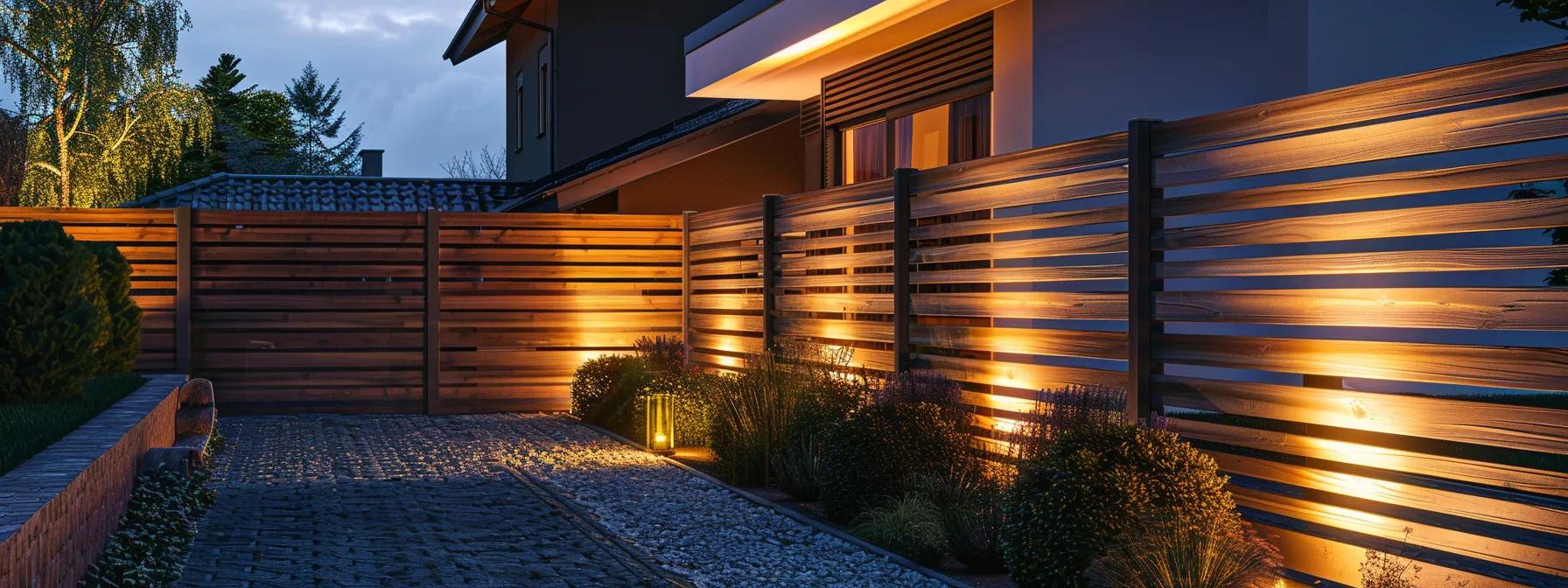
Maintaining a residential fence is critical to preserving both its appearance and structural integrity over time. Regular maintenance tasks not only extend the usable life of the fence but also prevent small issues from evolving into costly repairs. Homeowners should be proactive in establishing a maintenance schedule that corresponds to the material type, local weather conditions, and usage patterns of the fence.
Regular Cleaning Techniques for Different Fence Materials
Routine cleaning helps maintain a fence’s visual appeal and functionality. For wood fences, this may involve gentle washing with water, a mild detergent, and a soft brush to remove dirt, mildew, and other environmental contaminants. Vinyl and metal fences, on the other hand, are best cleaned with soap and water or specialty cleaners designed for those specific materials. Ensuring that the cleaning process does not damage the material’s finish is paramount. In addition, pressure washing may be used for more stubborn grime, but care must be taken to avoid deteriorating the surface.
Regular cleaning routines also help identify early signs of damage such as rust spots on metal fences or splintering in wood, allowing homeowners to take remedial measures promptly. Establishing an annual or bi-annual cleaning schedule helps safeguard the fence’s overall condition while enhancing its durability and aesthetic appearance.
Staining, Sealing, or Painting Your Wood Fence
Wood fences require periodic treatment with stains, sealants, or paints to protect against moisture, UV rays, and insect damage. Applying these coatings renews the wood’s color and texture and provides an extra layer of defense against the elements. The frequency of these treatments should be determined by both climate conditions and the type of wood used. In humid or rainy regions, more frequent applications may be necessary to prevent water damage such as warping or rot. Professional advice often suggests a re-treatment every two to three years to keep the wood in optimal condition.
Additionally, using high-quality products designed explicitly for outdoor wood surfaces can significantly improve protection and lifespan. Homeowners investing in top-grade stains and sealants may incur higher upfront costs; however, these products can dramatically extend the life of the fence by up to 50% compared to untreated wood. Routine inspections should follow each treatment to monitor progress and detect any emerging issues early.
Inspecting for and Repairing Damage
Regular inspections are an integral part of fence maintenance. Homeowners should check for loose screws, wobbly posts, cracked panels, rust formation, or areas where vegetation has begun to encroach on the structure. Early detection of such problems can prevent minor issues from escalating into major repairs. In some cases, simple fixes like tightening hardware or replacing a few damaged pickets can restore the fence’s integrity without extensive intervention.
If significant damage is found, contacting a professional for repairs is advisable. Local experts like St. Cloud Fence Co. provide fast and reliable repair services, backed by warranties that guarantee the quality of the work. The goal of regular inspections is to ensure that the fence remains safe, secure, and visually appealing for years to come.
Managing Vegetation Growth Around Your Fence Line
Vegetation growth can be both beneficial and problematic for residential fences. While some greenery may enhance the overall visual appeal, unchecked growth can damage the fence. Plants, especially vines and shrubs, should be regularly trimmed back to prevent roots from disrupting the fence posts or panels and to avoid moisture retention on the surface, which can accelerate decay. Homeowners should establish a routine garden maintenance schedule that includes trimming near the fence and checking for invasive species.
Enhancing the area around the fence with proper landscaping not only boosts aesthetics but also helps maintain clear lines and access for cleaning or repairs. By controlling vegetation growth, homeowners secure the fence’s durability while contributing to overall landscape beauty. Regular trimming combined with vigilant inspection ensures the fence remains both functional and attractive.
Knowing When to Call a Professional for Repairs
Despite best efforts at self-maintenance, there are times when professional intervention is necessary. If extensive damage, severe alignment issues, or structural weaknesses become apparent, hiring an expert can prevent further deterioration and ensure the repair work is done correctly. Professional repair services offer expertise, advanced tools, and guaranteed workmanship, which can be particularly valuable if the fence is aging or has been subject to harsh weather conditions. Maintaining customer service relationships with trusted local companies allows homeowners to schedule inspections and repairs as part of a long-term maintenance plan, ensuring continual fence performance and safety.
Key Takeaways: - Regular cleaning and inspections are essential for maintaining fence appearance and functionality. - Wood fences need periodic staining, sealing, or painting to guard against weather damage. - Timely repairs prevent small issues from leading to costly replacements. - Managing surrounding vegetation reduces the risk of structural damage. - Professional repair services provide expert solutions and warranty coverage.
Maintaining Your Residential Fence for Longevity – Summary Table
Below is a table summarizing the key maintenance steps and considerations for different fencing materials.
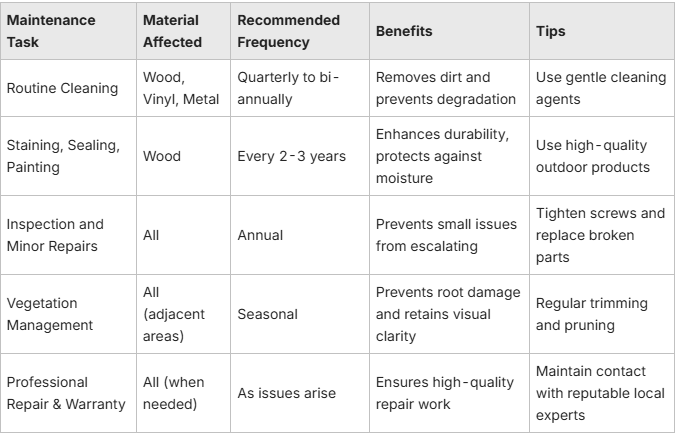
Key Takeaways: - A structured maintenance plan ensures long-lasting fence durability. - Regular cleaning, treatment, and inspections are essential. - Professional repairs add value with warranty-backed service. - A maintenance table provides a quick reference for tasks and frequency.
Final Thoughts
In conclusion, the selection of the best residential fencing options involves balancing aesthetics with functionality and taking long-term maintenance requirements into account. Homeowners must carefully define their needs, compare various material options, and ensure thorough planning of the installation process. Whether opting for wood, vinyl, metal, chain link, or sustainable alternatives, each material carries distinct benefits that fit different lifestyles and budgets. Leveraging professional expertise can further optimize outcomes, ensuring a durable fence that enhances both security and curb appeal.
As residential fence installation projects grow in popularity, homeowners are encouraged to prioritize quality and lifelong value when making their decisions. With the right guidance and local expertise from trusted companies, residents in areas like Osceola County can achieve a fence that not only meets but exceeds their expectations.
Frequently Asked Questions
Q: What factors should homeowners consider when choosing a residential fence?
A: Homeowners should consider factors such as security, privacy, aesthetics, durability, and maintenance requirements. Additionally, proper consultation regarding property lines and local regulations ensures that the fence meets both personal and legal standards.
Q: How often should I maintain or treat my wood fence?
A: Wood fences typically require maintenance such as staining, sealing, or painting every two to three years depending on climatic conditions. Regular inspections and cleaning can also prolong the fence’s lifespan.
Q: Are vinyl fences really low-maintenance compared to wood fences?
A: Yes, vinyl fences are designed to be low-maintenance since they do not require regular painting or staining. They only need occasional cleaning to remove dirt and debris, making them an attractive option for busy homeowners.
Q: Can I install a fence myself, or should I hire professionals?
A: While DIY fence installation is possible, it requires a realistic assessment of your skills and the available tools. Hiring professional installers ensures a precise installation, adherence to local regulations, and often comes with warranties and post-installation support.
Q: What are the benefits of sustainable fencing materials like composite wood or bamboo?
A: Sustainable fencing materials reduce environmental impact while offering durability and aesthetic appeal. They tend to require less maintenance than natural wood and can be a cost-effective option in the long run, contributing to both property value and sustainability goals.
Q: How do I determine the correct spacing and depth for fence posts?
A: The recommended spacing and depth for fence posts depend on the fence type and local soil conditions; typically, posts should be set at a depth equal to one-third of the post’s height, with uniform spacing as specified by local building codes. Consulting with a professional can ensure accuracy.
Q: What role do warranties play in the fence installation process?
A: Warranties provide peace of mind by covering potential defects or issues in materials and workmanship. They can mitigate repair costs in the long run and are an important factor when comparing DIY installations to professional services.
Final Thoughts
Residential fencing is a critical aspect of home improvement that enhances security, privacy, and curb appeal. This guide has explored various fencing options, from traditional wood to durable metal and sustainable alternatives, providing comprehensive details on materials, installation planning, and long-term maintenance. Homeowners in Osceola County can use this information to make informed decisions that ensure their fence stands the test of time and weather. With expert advice and careful planning, a high-quality fence installation can be an investment that adds value and beauty to any property.